Autism & LGBTQIA+: understanding, including, celebrating ALL identities
🧩 April 2nd 2026 – World Autism Awareness Day 🧩
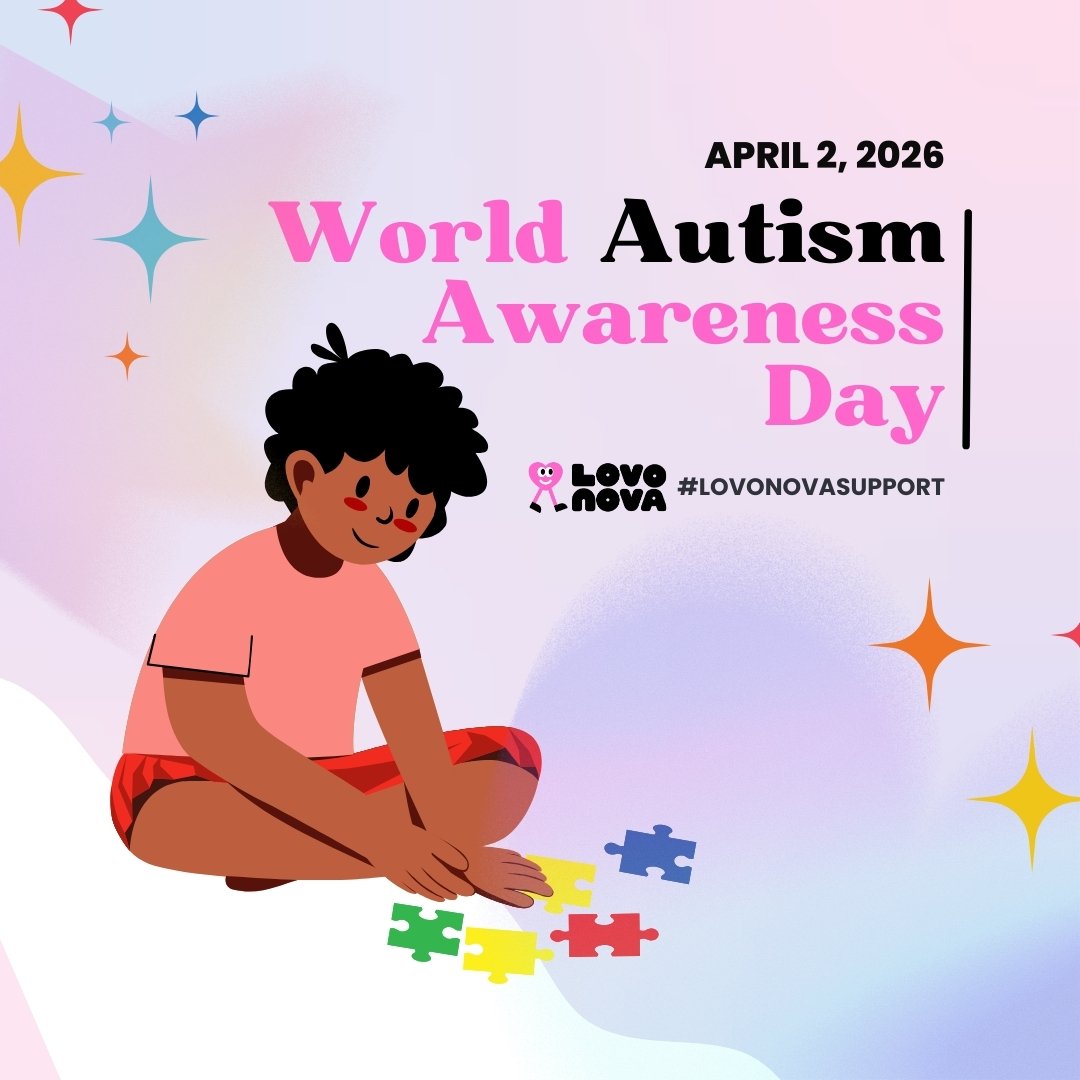
Autism is experienced by millions of people worldwide and is still widely misunderstood, especially when it intersects with LGBTQIA+ realities.
Today, we celebrate World Autism Awareness Day. This global day aims to promote the fundamental rights of autistic people, with the 2026 theme: “Autism and Humanity – Every Life Has Value.”
Autism is experienced by:
🌍 About 1 in 36 people worldwide (≈ 2.8 %)
👦 1 in 17 boys is diagnosed with autism
👧 1 in 34 girls is diagnosed with autism
⚖️ Global ratio: about 3 to 4 men for every 1 woman
Neurodiversity is not a problem to fix.
It is a strength that boosts creativity, innovation, and resilience in our societies.
❓ What is the connection between autism & LGBTQIA+❓
📊 Research shows that autistic people are 2 to 3 times more likely to identify as LGBTQ+ than the general population, with a higher likelihood of being trans, non-binary, or genderqueer.
A study (Sexual Orientation in Autism Spectrum Disorder) shows:
• 69.7% of autistic people identify as non-heterosexual
• Compared to 30.3% of neurotypical people
❓ So… why are there more autistic people in the LGBTQIA+ community❓
It’s not that there is “more autism” in the community —
👉 it’s that autistic people are more likely to express LGBTQIA+ identities.
Several factors explain this:
🧩 Less social conformity
Autistic people are often less influenced by social norms → more freedom to explore and express their identity.
🧠 Different relationship to gender norms
Less attachment to traditional social codes → greater openness to diverse gender identities and sexual orientations.
🔍 Introspection and authenticity
Many autistic people develop deep self-reflection → they are more likely to recognize and name their feelings.
⚠️ But also: specific vulnerabilities
• Lack of inclusive sex education
• Social isolation
• Cross-discrimination (ableism + LGBTQIAphobia)
Because:
🌈 Being autistic
🌈 Being queer
🌈 Or both
👉 is not a problem to solve.
It is a reality to respect.
A friendly comment, please do not use the puzzle piece as a symbol for Autism, it’s offensive to the community.
Thank you for letting us know, we truly appreciate the feedback. We did not intend to offend anyone and understand that the puzzle piece can be hurtful for many people in the autistic community. We will keep this in mind moving forward and be more careful with the symbols we use. 💛