
Breaking Myths & Celebrating Identity — April 6th: International Asexuality Day
Understanding Asexuality & Breaking the Myths
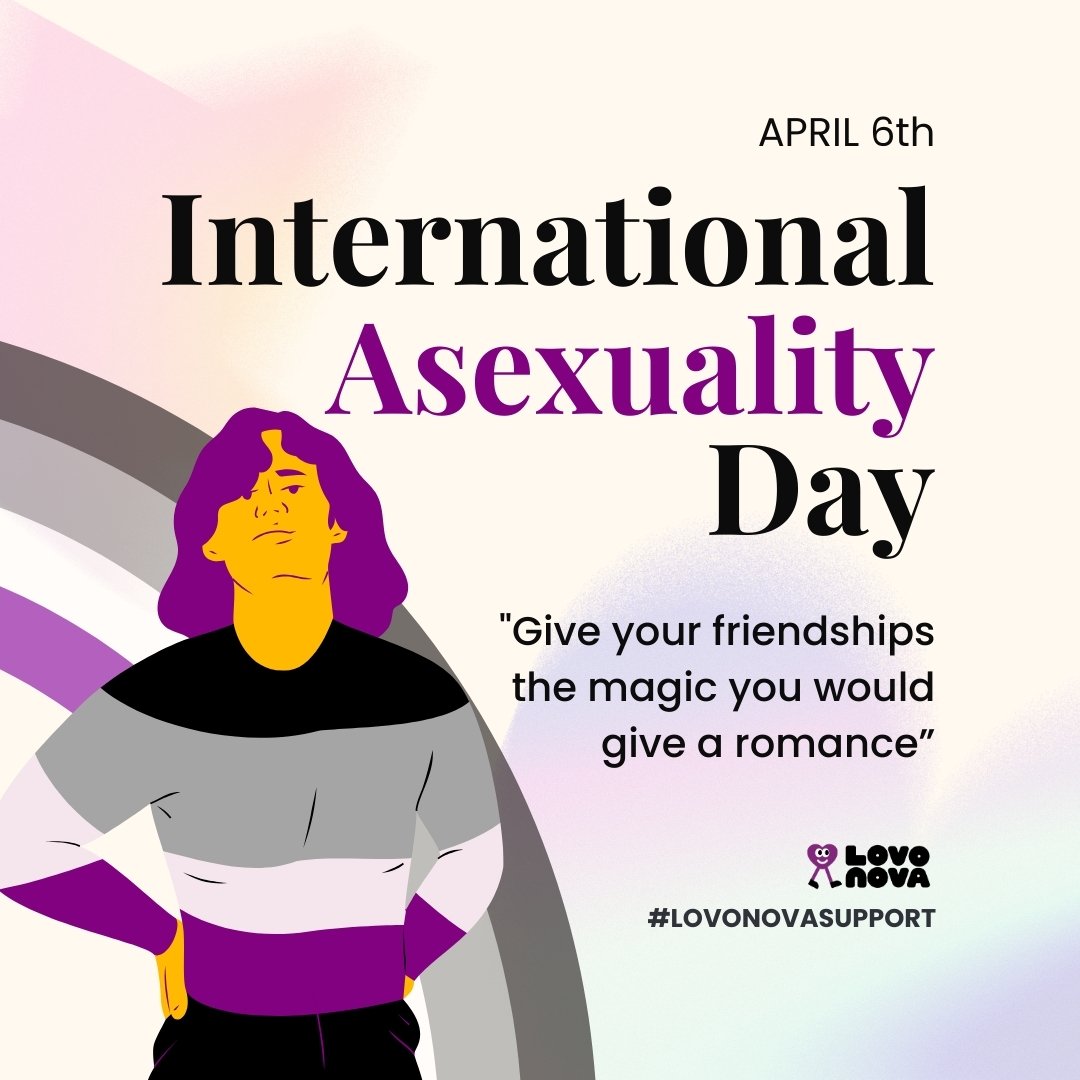
Every year on April 6th, International Asexuality Day (IAD) highlights the diversity and visibility of the ace spectrum — including demisexual, grey-asexual, and many other identities.
Built around four key pillars — Advocacy, Celebration, Education, and Solidarity — this day is a reminder that asexual voices matter and deserve space within LGBTQIA+ conversations.
Yet, asexuality is still widely misunderstood. And that misunderstanding often leads to harmful myths.
📊 Asexuality in numbers
Asexual people are not rare — they are simply underrepresented and often invisible.
- Um 1% of the global population identifies as asexual or on the ace spectrum (PMC)
- Around 10% of LGBTQ+ youth identify as asexual or ace-spectrum (Them)
These numbers highlight a clear reality: asexuality is part of the LGBTQIA+ community — and it deserves recognition.
🗨️ Breaking the myths
Myth 1: Asexual people can only be happy with other asexual people
Reality:
Asexual people can build loving and fulfilling relationships with partners of any orientation. What truly matters is communication, respect, and genuine consent.
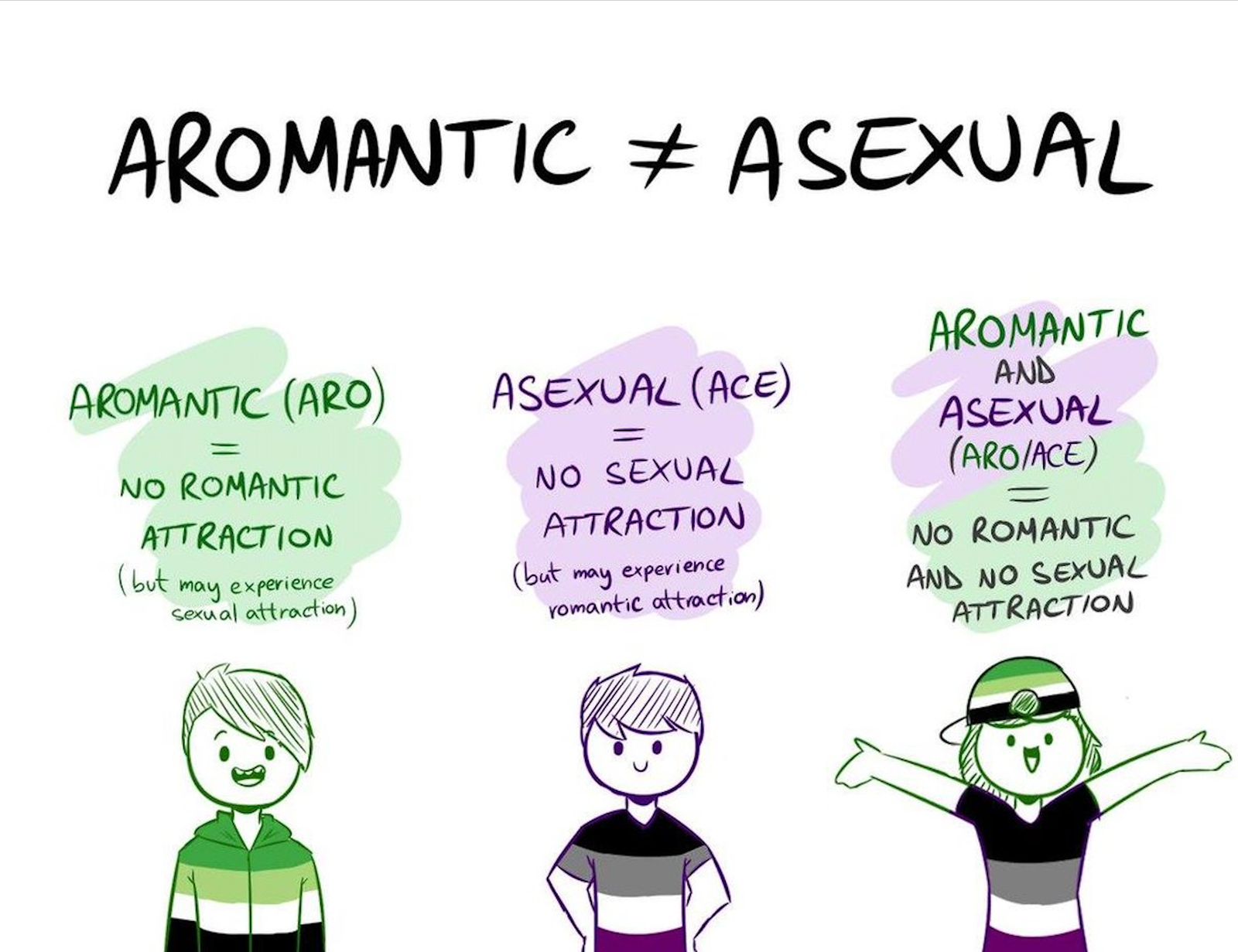
Myth 2: Asexual people can’t love or maintain relationships
Reality:
Asexuality is about sexual attraction, not emotional connection. Many asexual people experience deep romantic love and form meaningful, lasting relationships.
Myth 3: They just haven’t met the “right person”
Reality:
Asexuality is not something that changes depending on who you meet. It is a valid and stable identity, not a phase or a waiting period.
Myth 4: Asexuality = celibacy
Reality:
Celibacy is a choice. Asexuality is a sexual orientation.
They are fundamentally different, even if they can sometimes overlap.
Myth 5: Asexual people never have sex
Reality:
Some asexual people may choose to have sex — for intimacy, connection, or their partner.
What defines asexuality is the absence of sexual attraction, not behavior.
💬 Consent always comes first
No matter the orientation, consent is non-negotiable.
- If intimacy is chosen freely, with clear, informed, and enthusiastic consent → it is valid
- If there is pressure, obligation, or discomfort → it is not consent
Understanding this distinction is essential, especially in conversations around asexuality.
🌈 The asexual spectrum
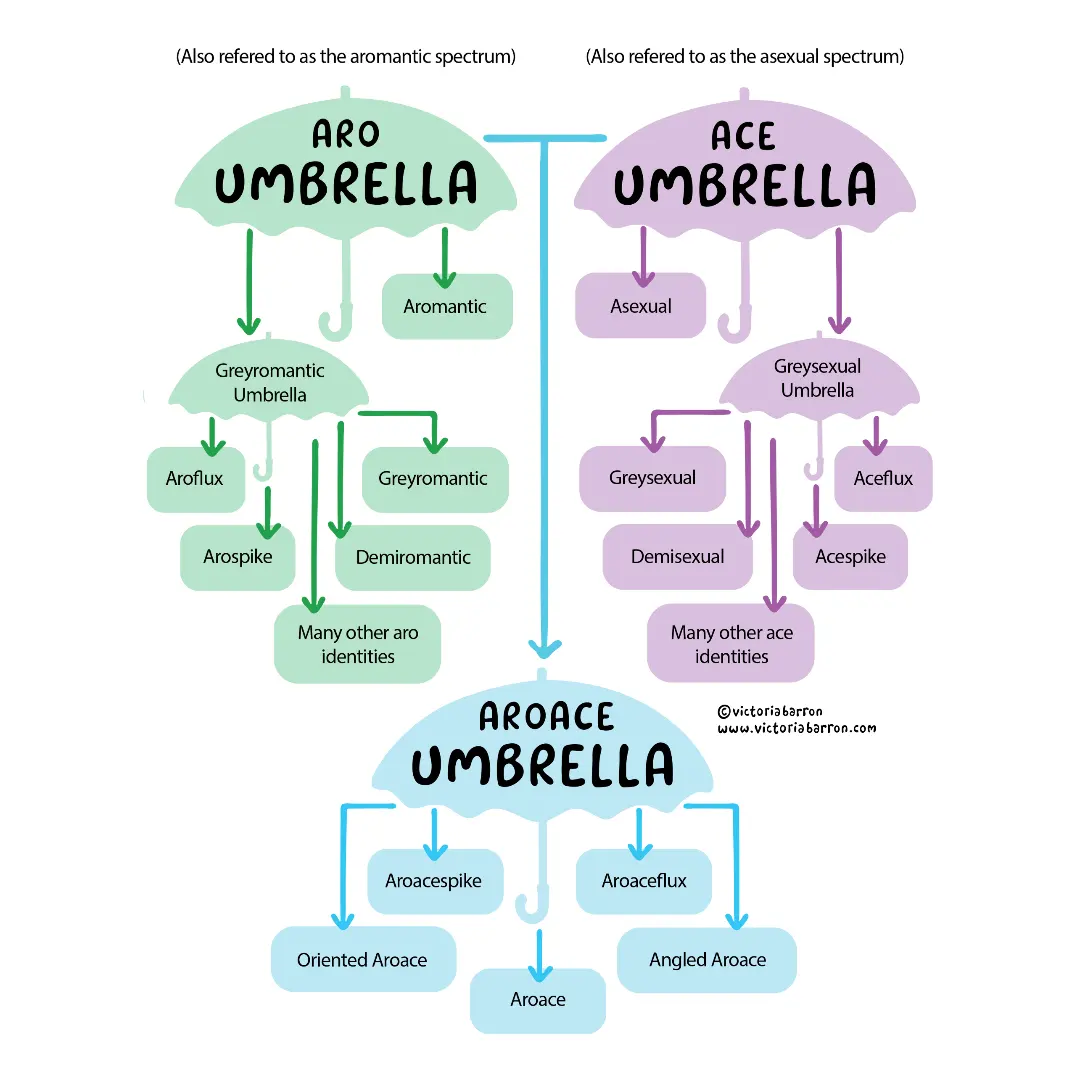
Asexuality is not one single experience — it exists on a spectrum:
- 💜🩶🤍 Greysexual — rare or conditional attraction
- 🖤🤍💜 Demisexual — attraction only with a strong emotional connection
- 🖤🩶🤍💜 Asexual individuals — no sexual attraction, but still capable of relationships
Each experience is valid. Each identity deserves respect.
💫 A broader understanding of love
Asexual people are not “missing” something.
They remind us that love, connection, and intimacy are not limited to sexual attraction.
They exist in many forms — emotional, romantic, intellectual, and beyond.
Recognizing asexuality means expanding our understanding of relationships and moving away from narrow, one-size-fits-all definitions.
Because diversity in how we love is not a problem —
it’s part of what makes us human. 🌈